Contractor Proposal vs Estimate: What’s the Difference?
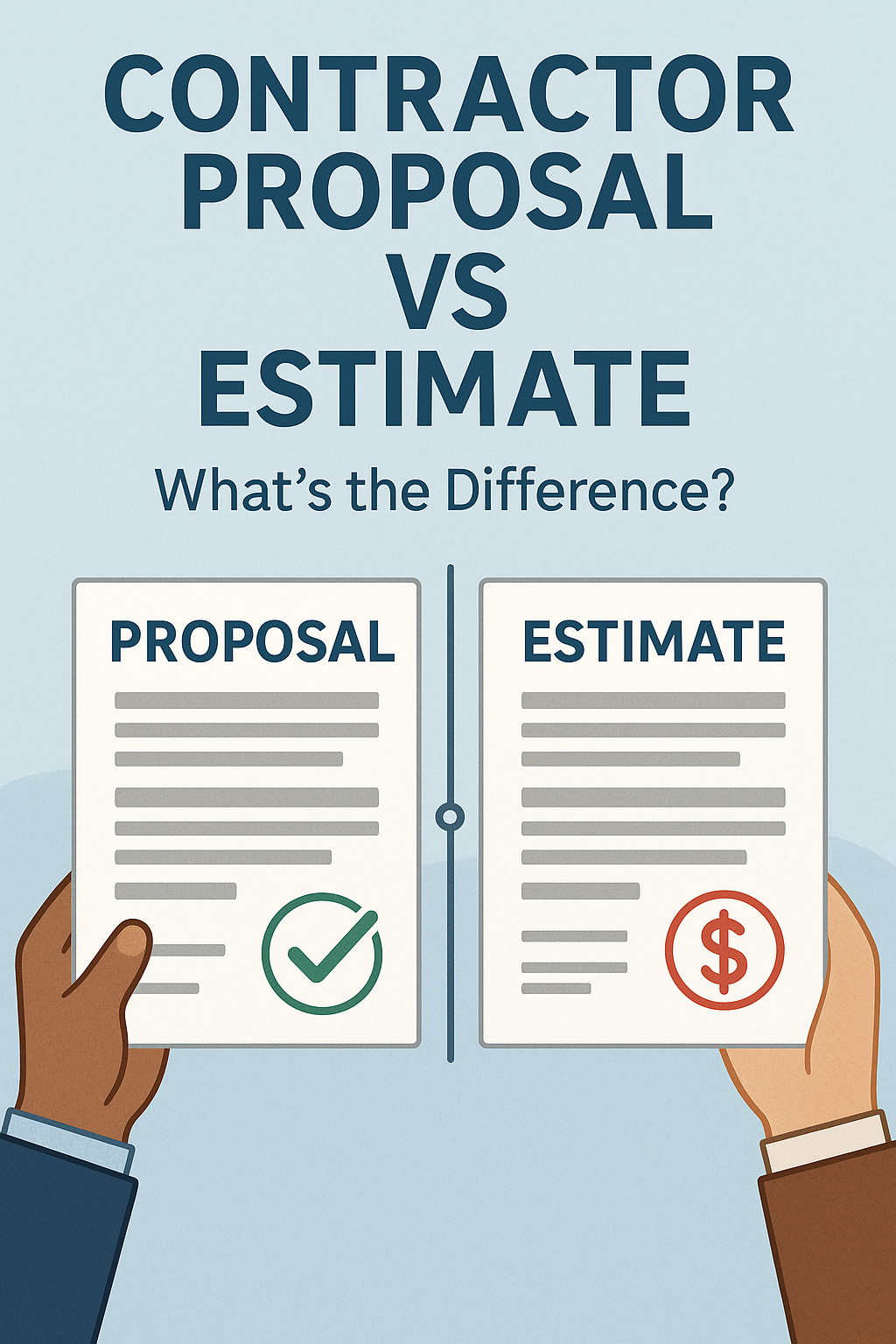
Understanding the distinctions between a contractor proposal and an estimate is crucial for both contractors and clients in the construction industry.
The Importance of Clear Communication
In the realm of construction projects, it is essential to establish clear and transparent communication between contractors and clients. One key aspect of this communication is the differentiation between a contractor proposal and an estimate.
Contractor Proposal: In-Depth Project Plan
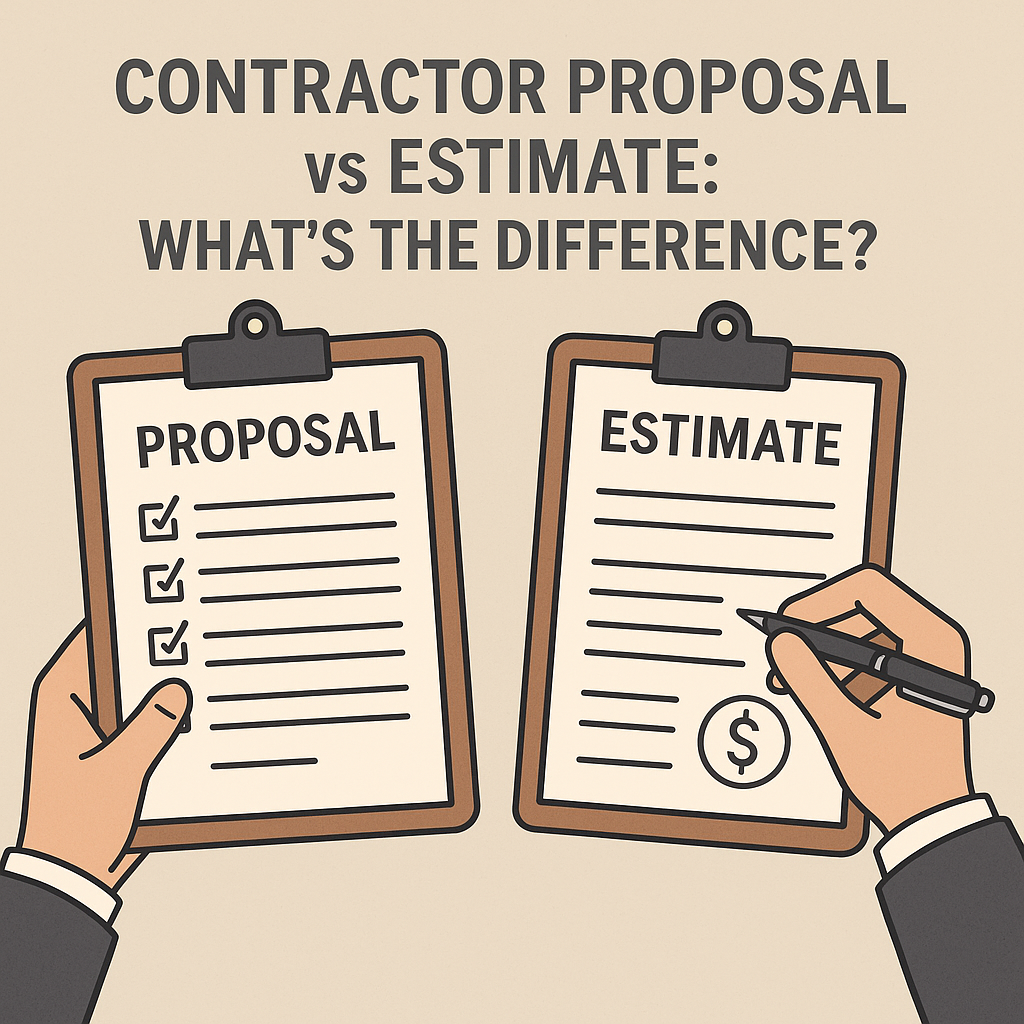
A contractor proposal is a comprehensive document that outlines the details of a project. It includes a thorough description of the work to be done, the materials to be used, the project timeline, and the cost estimates. The proposal typically includes the contractor's credentials, relevant experience, and any additional services they may provide.
Estimate: Approximate Cost Projection
On the other hand, an estimate provides a rough projection of the cost of a project based on the information available at the time. It is not as detailed as a proposal and serves as a preliminary assessment of the expected expenses. An estimate gives clients an idea of what the project might cost without committing to a final price.
Key Differences
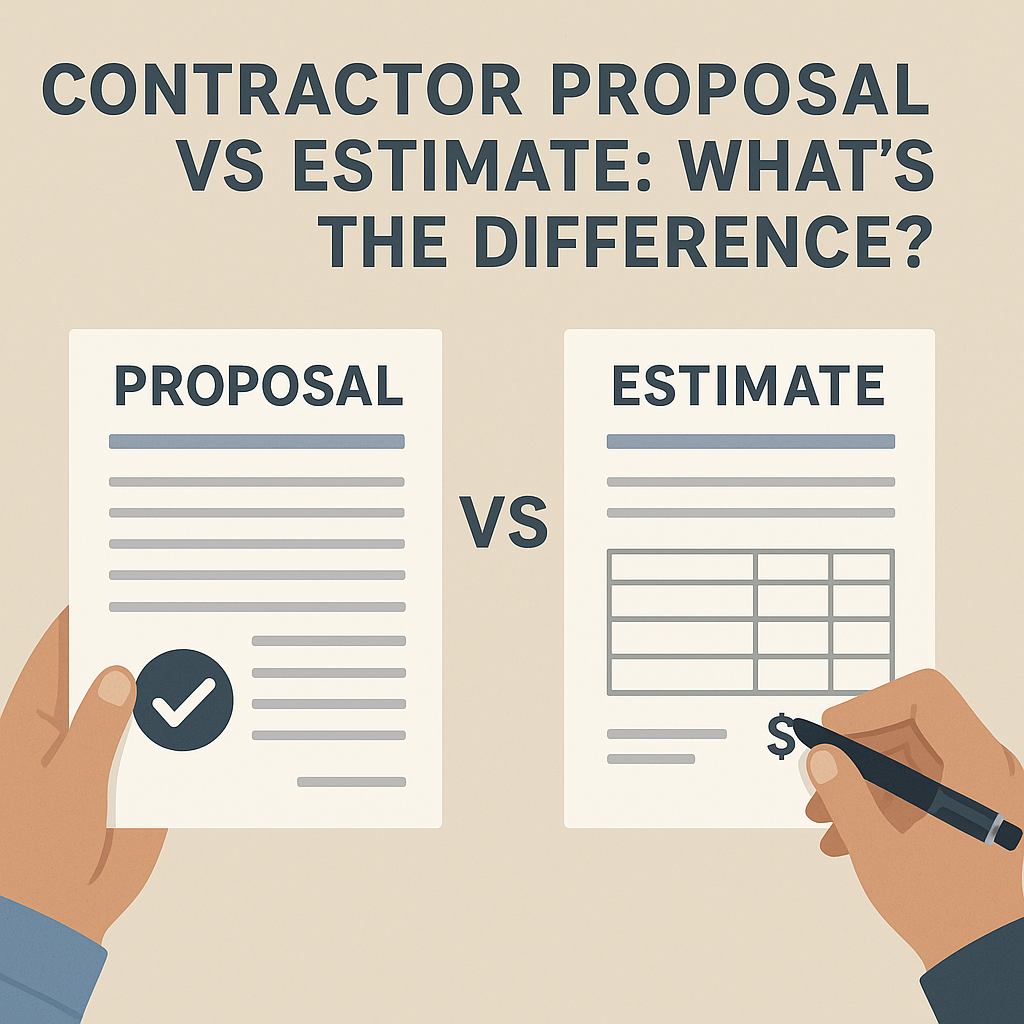
The primary difference between a contractor proposal and an estimate lies in the level of detail provided. While a proposal offers a comprehensive plan with specific details, an estimate is more of a ballpark figure. Clients often use estimates to compare costs between different contractors before making a decision.
Decision-Making Process
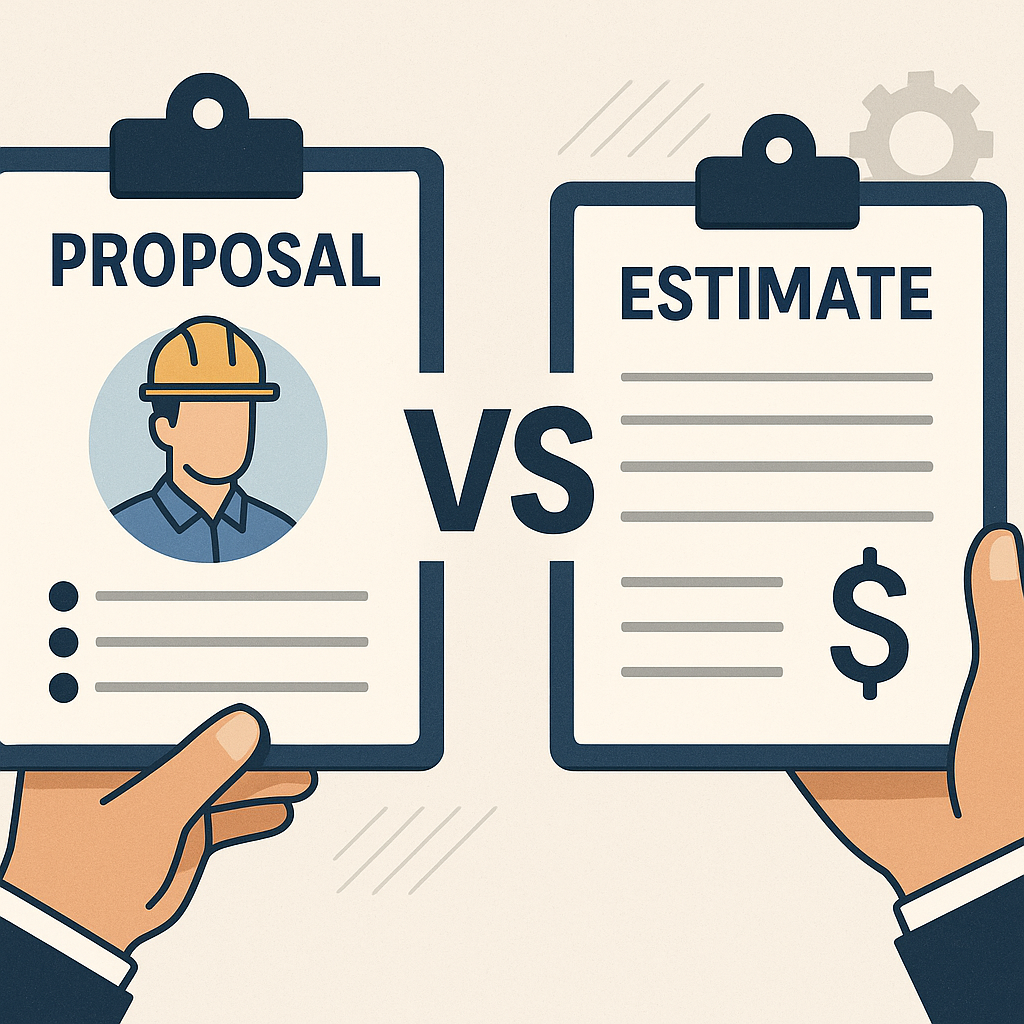
When deciding between contractors for a construction project, clients should carefully review both the proposals and estimates provided. A detailed proposal can help clients understand the scope of work and the contractor's approach to the project. An estimate, on the other hand, can give clients a general idea of the potential costs involved.
Finalizing the Agreement
Once a client selects a contractor, the proposal typically serves as the basis for the contract agreement. The detailed information in the proposal forms the framework for the project, including timelines, costs, and deliverables. Estimates, while helpful in the decision-making process, are not typically used as the foundation for a contract.
Conclusion
Understanding the distinctions between a contractor proposal and an estimate is crucial for both contractors and clients in the construction industry. Clear communication and detailed documentation play a vital role in ensuring successful project outcomes and avoiding misunderstandings. By carefully reviewing proposals and estimates, clients can make informed decisions when selecting a contractor for their construction needs.